स्थानीय तहहरूमा भ्रष्टाचार: बढ्दो समस्या

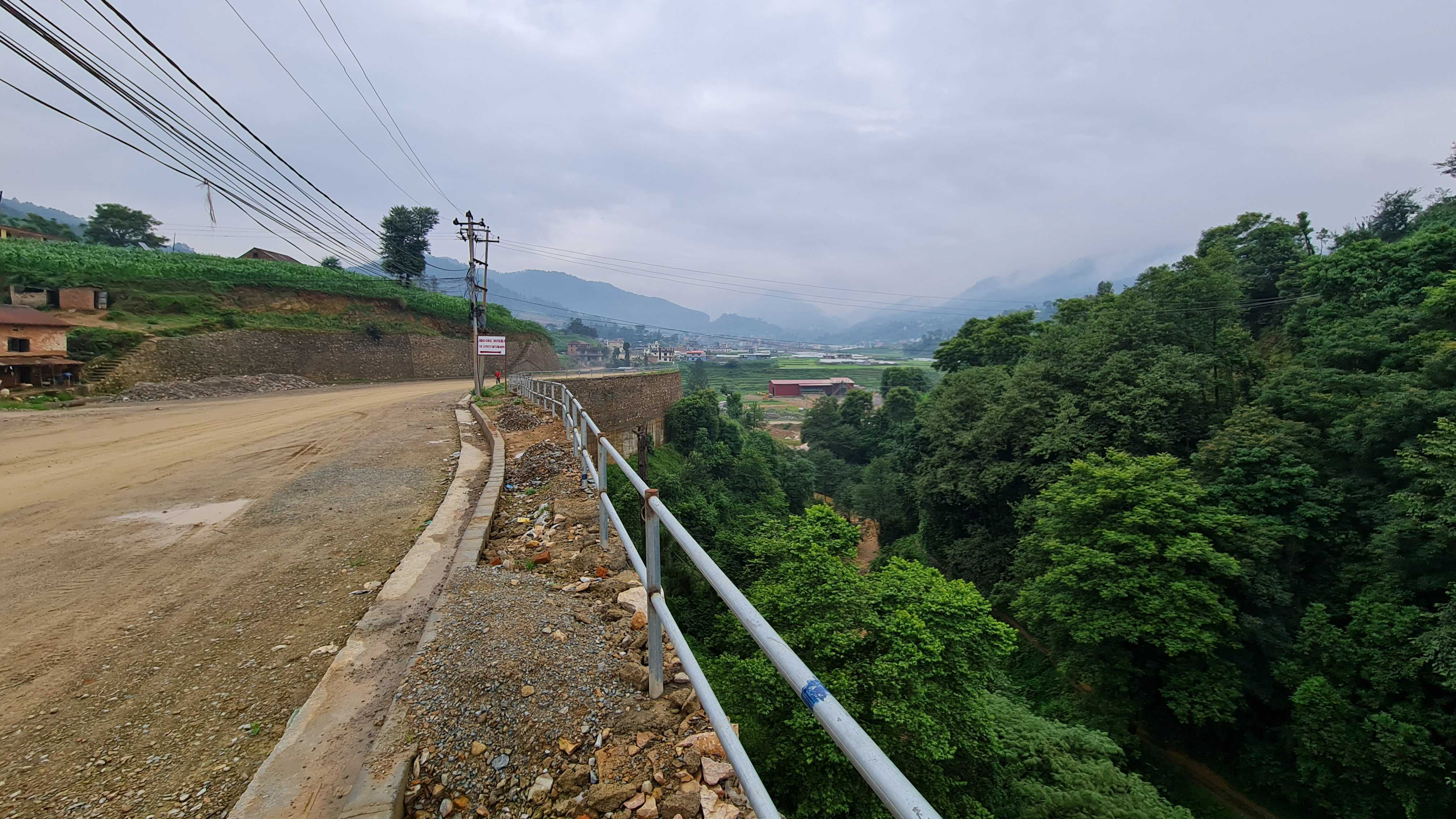
ट्रान्सपरेन्सी ईन्टरनेशनल २०२० को रिपोर्ट अनुसार नेपाल भ्रष्टाचार हुने मुलुकहरूमा ३३ अंकका साथ १३१औ स्थानमा रहेको छ । संसार भरिका १८० देश बीचमा मापन गरिएको यस रिपोर्टमा नेपालको अंक सन २०१२ यता मात्र ६ अंकले बढेको देखिन्छ । सन २०१९ मा ३४ अंकका साथ ११३ स्थान पाएको नेपालले सन २०१८ मा भने ३१ अंकका साथ १२४ ‌औ स्थान पाएको थियो । यसका साथसाथै २४ नोभेम्बर २०२१ मा ट्रान्सपरेन्सी ईन्टरनेशनलले ग्लोबल करप्सन ब्यारोमिटर सार्वजनिक गर्दै नेपाल एसियाली मुलुकहरू मध्ये जनताको नजरमा सबैभन्दा धेरै भ्रष्टाचारबाट ग्रसित मुलुक रहेको समेत सार्वजिनक गर्यो ।

Read More »
Badi women in Kathmandu demonstrate to demand their rights. Credit: Ghanshyam Chhetri/IPS.

An Unknown Nonviolent Resistance of the Badi People

“In February 1996, local non-Dalit residents launched a Prostitution Eradication Campaign (PEC), aimed at displacing the Badi community from their settlement. This inspired the first organized resistance movement of the Badi community against caste atrocities and forced prostitution in Nepal. As the movement took place in Gagangunj, a small village in Nepalgunj, it is known as the Gagangunj Movement.” Shiva Hari Gyawali

Read More »

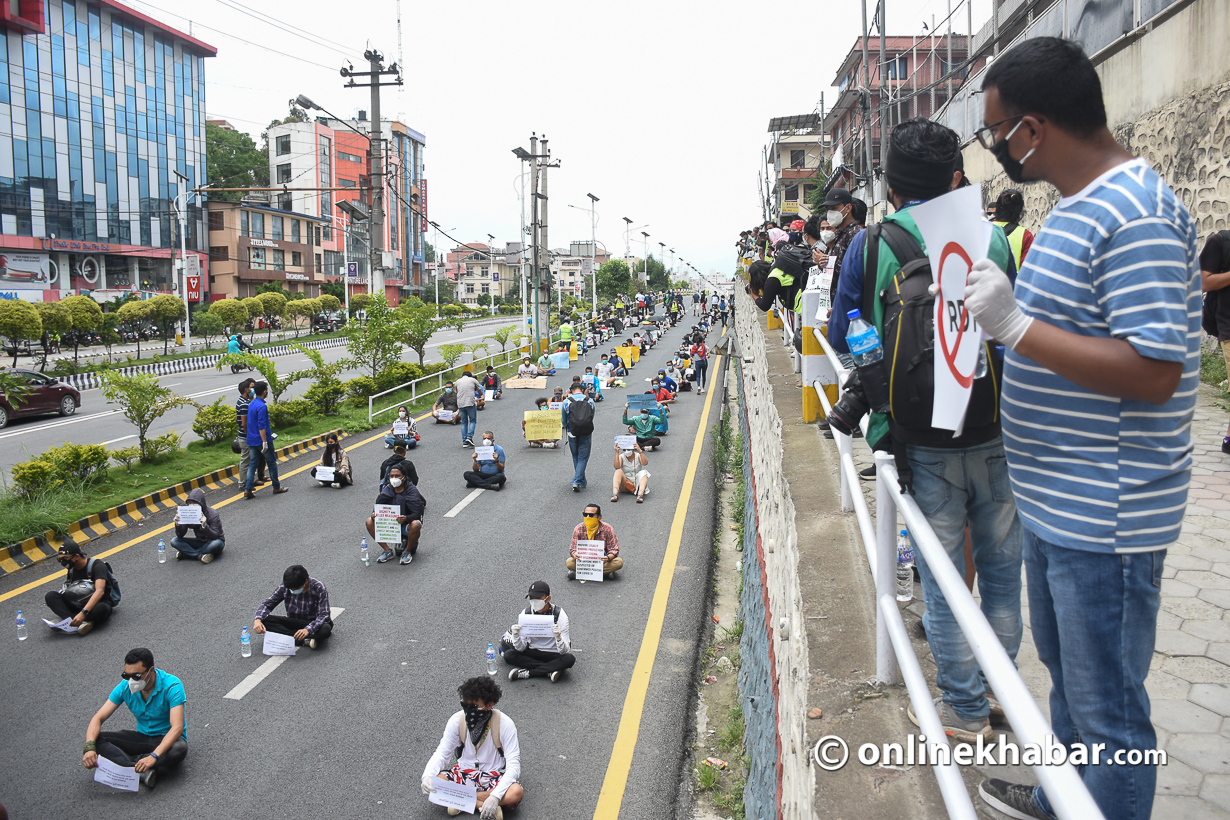
From Social Media onto the Streets: How Enough is Enough Forced Nepal Government to Rethink the Pandemic

With the COVID-19 pandemic in full swing and the Government of Nepal unable to effectively manage the crisis, Enough is Enough was initiated in early June 2020 by a group of active youngsters who insisted it remain a faceless and nonviolent citizen-movement with clear demands at its core. The campaign served as a rallying point for a huge segment of the urban youth population to demand better action, and accountability.

Read More »

Ramifications of COVID-19 Crisis on Nepalese Women and Minorities

The insignificant response from the concerned authorities with regards to the management of the COVID-19 pandemic has also added to the psychological distress among people. This has not only impacted the life the average Nepali citizen’s life significantly, but it has also disproportionately worsened the existing inequities faced by women and minority communities across the country.

Read More »

Reflections on Women in Social justice and Nonviolent Movements in Pakistan

A large body of literature since the formation of Pakistan in 1947 shows that women’s struggles against patriarchy or dictatorship have remained largely nonviolent. However, there are a few notable exceptions to this statement. For example, the Mohajir Qaumi Movement of 1980s in Sindh Province and the armed conflict in Swat region post 9/11, where women were seen to be supporting violent extremism and jihadist ideology.

Read More »

समृद्धिको आधार, स्थानीय सरकार

दिगो विकास र सकारात्मक रूपान्तरण ल्याउन जनताका नजिक रहेर घरदैलोमा गुणस्तरीय सेवा दिने स्थानीय सरकारले नै हो । संघीयताको यो नवीन अभ्यासलाई घनीभूतरूपमा सफल गराउन जनताले निर्वाचित गरेका जनप्रतिनिधिहरू र जिम्मेवारी निकायहरूले क्षणिक लोकप्रियताका लागि भन्दा पनि दिगो र प्रभावकारी रूपमा महत्त्व राख्ने विषयलाई जोड दिनु जरुरी हुन्छ । स्थानीय जनप्रतिनिधिहरूलाई जिम्मेवारीपन र पारदर्शिता, कर्मचारीतन्त्रलाई निष्ठावान र उत्तरदायी, सुशासन र भ्रष्टाचारको न्यूनीकरण, ऊर्जाशील युवालाई स्वदेशमा नै रोजगार सिर्जना गरी उत्पादनशील क्षेत्रमा लगानी गरी आर्थिक आत्मनिर्भरता गर्न सके मात्र नयाँ संरचनाको परिकल्पना पूरा होला ।

Read More »

स्थानीय सरकारको सुशासनका निम्ति नागरिक सहभागिता

रवि सेन्चुरी: स्थानीय सरकारको सन्दर्भमा सुशासनका मुख्य चुनौतीहरूमा जनतालाई निर्णय प्रक्रियामा सहभागी नगराइनु, असमानता, विभेद, शोषण, आम नागरिकको पहुँचमा कमी, शोषण, भ्रष्टाचार, हिंसा, गरिबी, शिक्षाको कमी, कमजोर र निहितस्वार्थ प्रेरित नागरिक समाज, संविधान र ऐन कानुनको पूर्ण पालना हुन नसक्नु प्रमुख रहेका छन् । तसर्थ नागरिकको सहभागिताले नै कुनै पनि सरकारलाई सुशासन कायम गर्न सहयोग पुग्दछ ।

Read More »

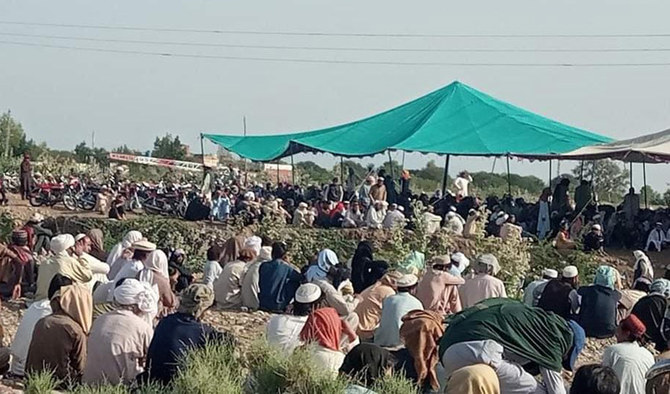
The JaniKhel Sit-in: a Nonviolent Protest for Peace in Khyber Pakhtunkhwa, Pakistan

During the 30 days of sit-in and the march, the government applied every strategy to end this protest: blocked roads, fired bullets, shelled tear gas, and arrested protesters. Yet, the nonviolent nature of the protest compelled the government to negotiate. This is significant because, while nonviolent movements have a long history among the Pashtuns, violent protests took over due to the Pakistani state’s policies of proxy wars, penetration of violent groups into the Pashtun region and the popularity of Kalashnikov culture since the Afghan war in the 1980s.

Read More »